

- LATEST NEWS
- CONTACT/VISIT
- TICKET INFO
19/08/2025
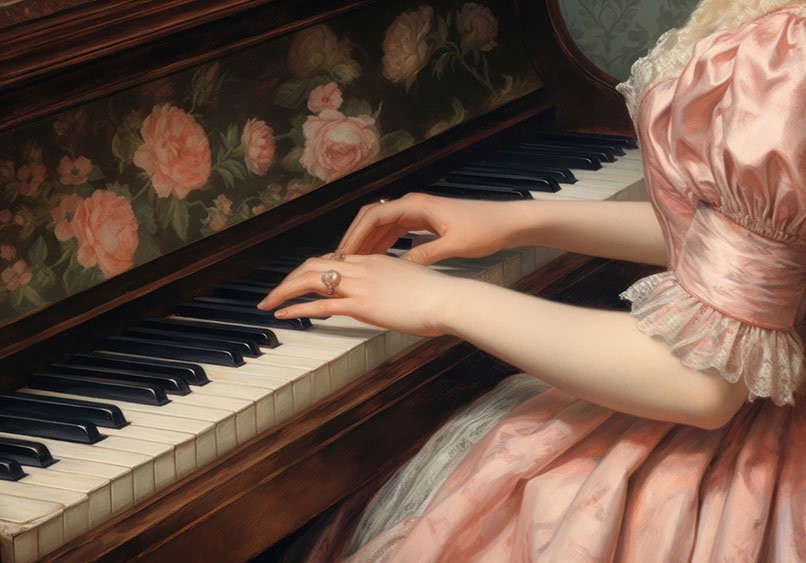
Classical music festivals have a long and fascinating history in the UK, evolving from formal gatherings of elite audiences to vibrant, inclusive celebrations of music enjoyed by people from all walks of life. Today, festivals like Thaxted stand proudly in a tradition that combines world-class performance with community, history, and discovery.
But how did we get here? Let’s take a look at the journey of classical music festivals across the centuries - and what makes them so special today.
In the 18th and early 19th centuries, classical music performances were often reserved for aristocratic patrons and their guests. Many of the earliest festivals grew out of religious traditions, with cathedral cities hosting musical events linked to feast days and church celebrations. The Three Choirs Festival - tracing its origins back to 1715 - remains one of the oldest surviving examples, rooted in sacred choral traditions.
At this time, music festivals were highly formal occasions, often lasting several days, and intended for a privileged audience.
The Industrial Revolution brought new wealth, expanding middle classes, and increased leisure time. This created a much larger audience eager to enjoy cultural experiences. Music halls and theatres began to flourish, and classical music festivals grew in scale and accessibility.
Large-scale choral festivals became particularly popular, showcasing the works of Handel, Mendelssohn, and other great composers, often performed by huge choirs accompanied by orchestras. These events sometimes attracted thousands of people, reflecting the powerful role music played in public life.
By the 20th century, classical festivals began to diversify. New festivals sprang up across the UK, many set in unique and often rural locations - bringing music to places far from the traditional metropolitan centres.
One of the most influential developments was the founding of the BBC Proms in 1895, which democratised access to classical music. With cheap standing tickets and later radio and television broadcasts, the Proms brought world-class music to millions.
After World War II, festivals like Aldeburgh, founded by Benjamin Britten in 1948, demonstrated a different vision: intimate settings, modern compositions, and deep connections with local communities. This trend inspired many other regional festivals, each with its own distinctive identity.
Today, classical music festivals are incredibly varied. Some, like Glyndebourne, remain steeped in tradition with their black-tie opera evenings, while others, like Cheltenham Music Festival, embrace innovation, mixing contemporary works with classical favourites.
Thaxted Festival was founded in its current form in 1987, following on from a format which was started in 1980. The modern Thaxted Festival reflects another important strand in this evolution: bringing outstanding music into historic and intimate settings while nurturing the next generation of performers. The Festival’s Developing Artists Programme is a shining example of how modern festivals balance established performers with emerging talent, giving audiences the chance to say, “We heard them here first.”
Perhaps the most significant evolution has been the shift towards inclusivity. Classical music is no longer the preserve of the elite - festivals welcome people of all ages and backgrounds. Many now feature family events, education projects, and accessible ticketing options to ensure as many people as possible can share in the joy of live music.
Thaxted Festival embodies this spirit, from its family-friendly concerts at Audley End Miniature Railway to school workshops and youth ensembles that inspire the next generation of musicians and audiences.
As we look to the future, classical music festivals are likely to continue evolving. Sustainability, digital engagement, and broadening diversity in programming are shaping the way festivals operate and grow. Yet, at their heart, festivals remain about a simple but profound experience: gathering together to hear world-class music in inspiring settings.
From the candlelit churches of the 18th century to today’s varied and vibrant summer festivals, the UK has a proud history of celebrating classical music. Thaxted Festival is part of that living tradition, honouring the past while looking to the future—combining historic architecture, exceptional performance, and a warm community spirit that makes every concert unforgettable.
So, when you take your seat at a Thaxted Festival event, you’re not just part of one Festival – you’re part of a story that’s been centuries in the making!